Situation
Most of what I had read about NLP jumped straight to loading a pretrained transformer and calling it done. I understood how to use those models but I did not really understand what they had replaced, or why the jump mattered.
Task
Build every stage of that history on one task, so the comparisons would be fair. Recipe generation worked well for this because the output has structure, an ingredient list and ordered steps, so it is obvious when a model is producing fluent nonsense.
Action
I worked through it in four stages.
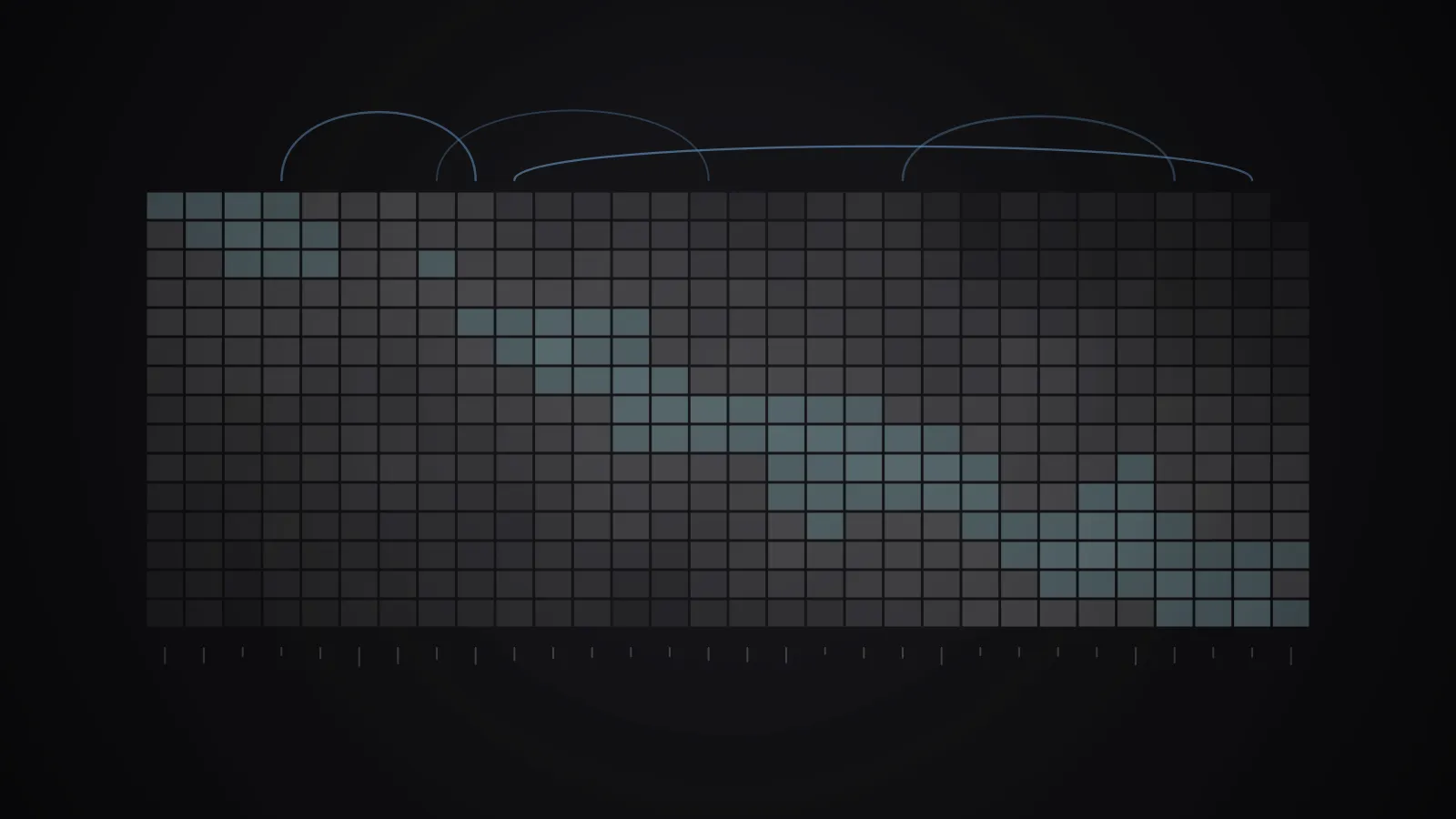
First a sequence to sequence model with Bahdanau attention, written from scratch. I did this deliberately before touching anything pretrained, because implementing attention by hand is what made it click rather than being a diagram I had seen.
Then LoRA fine tuning on T5 and GPT-2. Instead of updating all the weights you train a small pair of low rank matrices, which is what made it possible to fine tune models this size on the hardware I actually own.
Then a retrieval augmented menu designer, which pulls relevant real recipes before generating so the output is grounded in dishes that exist rather than plausible sounding inventions.
Finally an evaluation setup using an LLM as judge, because BLEU tells you close to nothing about whether a recipe makes sense.
Result
All four stages work and can be run against the same data, which was the point.
The comparison was the useful bit. The RNN baseline produces something recipe shaped but loses the thread over longer outputs. The fine tuned transformers stay coherent all the way through. Seeing that difference on my own task, with my own baseline sat next to it, taught me more about why the architecture won than reading about it did.
The RAG version was the one that surprised me. Grounding the generation in retrieved recipes fixed a failure the fine tuned models still had, which was confidently inventing ingredient quantities that did not work.